

What Counts as Lot Mowing vs. Lawn Mowing for Fort Worth Properties
If you searched for lot mowing rather than lawn mowing, you are probably not describing a weekly residential…
Why Lawn Mowing in Haslet Looks Different on New Construction Lots
If your Haslet home is part of the ongoing wave of new construction along the Alliance corridor, the…
How Chinch Bug Damage Hides Inside Routine Fort Worth Lawn Maintenance
If a patch of your Fort Worth lawn has turned brown this summer and watering it more has…
How Often Should You Mow Your Lawn in Texas?
Most Texas lawns need mowing every five to seven days during peak summer growth, biweekly during spring and…
How Frequent Mowing Impacts Your Fertilization Schedule in Fort Worth
Mowing and fertilizing are not separate, unrelated tasks. They directly affect each other, and treating them as two…
Why Nutsedge Keeps Growing Back After Mowing in Fort Worth Lawns
You mow the lawn Saturday morning. By Tuesday something tall and yellow-green is sticking up above your Bermuda…
Why Mowing During High Growth Weeks Can Reshape Grass Texture Across a Lawn
Many homeowners expect mowing to keep a lawn looking even. During high growth weeks, that expectation can fall…
How Mower Deck Weight Distribution Influences Long-Term Turf Health
Most homeowners think about mower blades, cutting height, and mowing schedules when they care for their lawns. Those…
How Mowing Height Drift Leads to Long-Term Growth Irregularities
Most homeowners pay attention to how often they mow but rarely think about mowing height consistency. Grass length…
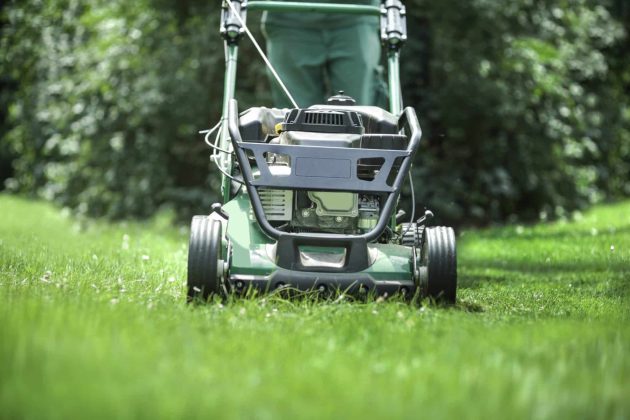
Why Fixed Mowing Routes Create Weak Growth Channels in Lawns
Many homeowners follow the same mowing path every week without thinking about it. The mower starts at the…