

Why Fixed Mowing Routes Create Weak Growth Channels in Lawns
Many homeowners follow the same mowing path every week without thinking about it. The mower starts at the same corner, moves in the same direction, and finishes in the same place. This routine feels efficient and familiar. Over time, though, this habit creates hidden problems that slowly weaken the lawn.
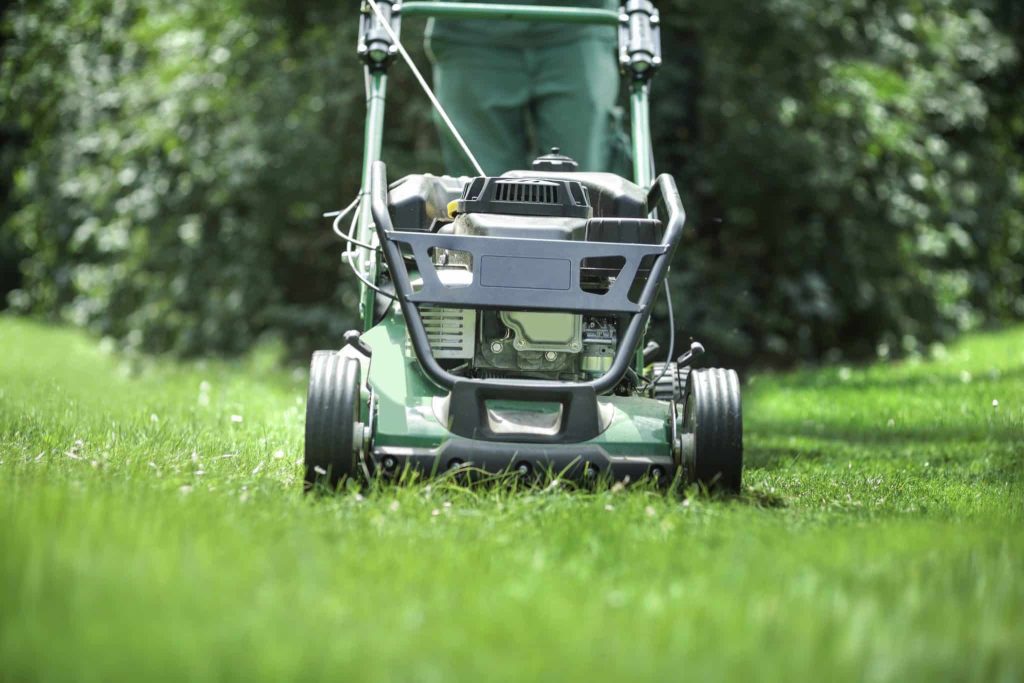
Fixed mowing routes cause repeated pressure on the same strips of grass. Wheels roll over identical paths. Blades cut grass from the same angle. Foot traffic follows the same lines. These patterns form weak growth channels that affect turf strength, soil health, and long-term appearance.
Homeowners in Fort Worth and surrounding areas often notice thin lines, flattened grass, or discolored streaks in their lawns without knowing why. These marks usually trace back to repetitive mowing habits. Understanding how mowing routes affect turf can help prevent long-term damage and keep lawns healthier year after year.
How Repeated Mowing Paths Change Soil Structure
Each time a mower passes over grass, it applies weight to the soil. Tires press down. Footsteps compact the ground. Over weeks and months, this pressure builds.
Soil needs air pockets to support healthy roots. These spaces allow water, oxygen, and nutrients to move freely. Repeated traffic collapses these pockets. Soil becomes dense and hard.
Fixed mowing routes concentrate this pressure in narrow bands. Instead of spreading weight across the lawn, it focuses stress in the same areas. These zones slowly lose their ability to absorb water and support roots.
Signs of soil compaction along mowing routes include:
- Hard ground underfoot
- Water runoff instead of absorption
- Shallow root growth
- Slow recovery after rain
Compacted soil weakens grass even when other care practices remain consistent.
Why Grass Grows Differently Along Repeated Tracks
Grass responds to stress. When mower wheels pass over the same areas repeatedly, blades bend and flatten. Roots struggle to anchor in dense soil. Nutrient flow decreases.
Over time, grass adapts by growing thinner in these zones. Plants conserve energy instead of spreading outward. Growth slows. Color fades.
Fixed routes also affect how blades get cut. Mowers strike grass from the same direction each time. Some blades receive uneven cuts. Others experience repeated pressure before cutting.
These patterns cause:
- Uneven blade height
- Reduced photosynthesis
- Increased vulnerability to disease
- Poor lateral growth
The lawn begins to develop visible channels where grass looks weaker and less vibrant.
How Wheel Traffic Creates Long-Term Lawn Stress
Mower wheels play a major role in growth channel formation. Even lightweight residential mowers apply steady pressure over time.
Wheels press grass into the soil. Roots suffer compression. Soil particles lock together.
In high-traffic areas, turf loses resilience. It struggles to bounce back after mowing. Flattened grass remains bent longer. Foot traffic worsens the problem.
These wheel tracks often appear as:
- Dull green lines
- Thin strips
- Flattened paths
- Bare soil patches
Without intervention, these tracks deepen and widen with every season.
Why Fixed Patterns Affect Water and Nutrient Movement
Healthy lawns rely on even distribution of water and nutrients. Fixed mowing routes disrupt this balance.
Compacted zones repel water. Rain and irrigation flow away instead of soaking in. Dry stress increases in these areas. Fertilizer also struggles to penetrate dense soil.
Meanwhile, surrounding areas absorb more moisture. Uneven growth follows.
This imbalance leads to:
- Dry stripes during heat
- Yellowing patches
- Inconsistent turf thickness
- Increased weed invasion
Weeds often settle into weakened channels because grass cannot compete.
How Fixed Routes Encourage Weed and Disease Problems
Weeds search for opportunity. Weak growth channels provide perfect entry points. Thin turf exposes soil. Moisture lingers in compacted zones. Nutrient competition weakens grass defenses.
Common weeds quickly take advantage. Crabgrass, sedges, and broadleaf weeds often spread along mowing paths. Disease also finds favorable conditions. Poor airflow, trapped moisture, and stressed grass allow fungal problems to develop.
Fixed mowing routes indirectly create:
- Weed corridors
- Disease-prone strips
- Patchy turf zones
- Increased treatment needs
Once weeds establish, recovery becomes harder.
Why Changing Mowing Direction Protects Turf Health
Rotating mowing direction distributes pressure evenly across the lawn. Instead of stressing the same areas, weight spreads across different paths. Each mow approaches grass from a new angle. Blades receive cleaner cuts. Roots experience balanced pressure. Soil maintains better structure.
Professional lawn crews rotate patterns regularly. They use vertical, horizontal, diagonal, and curved routes. This practice prevents channel formation.
Benefits of varied mowing patterns include:
- Improved turf density
- Reduced soil compaction
- Better drainage
- Stronger root development
- More uniform color
Small adjustments make major differences over time.
How Professional Mowing Prevents Growth Channels
Professional lawn services focus on long-term turf health. Crews follow structured mowing plans that avoid repetitive patterns. They monitor soil condition, turf response, and growth trends. Equipment calibration ensures even cutting. Technicians adjust routes based on lawn layout and obstacles.
Professional mowing includes:
- Rotating patterns
- Proper blade maintenance
- Correct height settings
- Balanced traffic distribution
- Regular turf inspection
This approach protects lawns from subtle damage that homeowners often overlook.
Signs Your Lawn Has Developed Weak Growth Channels
Many homeowners do not recognize growth channels until damage becomes visible.
Common warning signs include:
- Parallel thin lines across turf
- Flattened grass that stays down
- Hard soil strips
- Uneven green color
- Weeds following mower paths
Early detection allows faster recovery. Delayed action leads to deeper soil problems.
How to Restore Lawns Affected by Fixed Mowing Routes
Recovery starts with changing mowing habits. Rotating routes immediately reduces pressure buildup.
Additional steps include:
- Core aeration to loosen soil
- Proper watering schedules
- Balanced fertilization
- Overseeding thin areas
- Weed control treatments
Professional lawn programs combine these practices to rebuild turf strength. Restoration takes time. Patience and consistency deliver results.
Frequently Asked Questions About Mowing Routes in Fort Worth, TX
How often should mowing direction change?
Homeowners should rotate mowing direction every one to two weeks to prevent traffic patterns.
Can fixed routes permanently damage lawns?
Long-term repetition can create lasting compaction and root damage if left untreated.
Does mower weight affect growth channels?
Heavier mowers increase pressure and accelerate soil compaction along repeated paths.
Will aeration help fix mowing tracks?
Aeration loosens compacted soil and improves recovery in weakened zones.
Do professional services rotate mowing patterns automatically?
Professional crews adjust routes regularly to protect turf health.
Protect your lawn from hidden mowing damage with professional care from Mow & Grow. Call (817) 717-2686 today to schedule expert lawn maintenance that keeps your turf strong and healthy.