

Lawn Fertilization Services in Grapevine, TX
Mow & Grow provides professional lawn fertilization services for homeowners throughout Grapevine, TX, with seasonal programs built around the established soil conditions and mature warm-season turf common across this historic Tarrant County community. Mow & Grow has served Fort Worth and surrounding communities since 2024. Read verified customer reviews on Google, then call (817) 717-2686 or get a free quote.
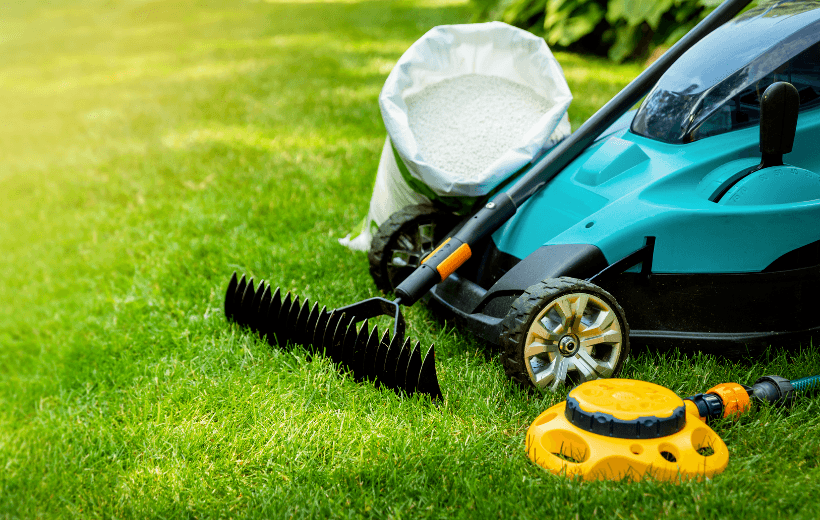
Fertilization for Grapevine’s Established, Built-Out Neighborhoods
Grapevine is one of the most established communities in Tarrant County, a city of approximately 51,000 residents built almost entirely around its historic downtown, Lake Grapevine, and the wine heritage that gives the city its name, traced to the wild mustang grapes early settlers found here during the 1840s Peters Colony settlement. With a median household income above $111,000 but a homeownership rate around 52 percent, meaningfully lower than most comparably affluent DFW suburbs, Grapevine has a significant rental and investment property market alongside its executive housing. The city is largely built out, meaning most housing activity comes from resale and renovation of existing homes rather than new construction, and yards throughout Grapevine reflect mature, established landscaping shaped by proximity to the lake, historic downtown, and the Grapevine-Colleyville school district.
Because Grapevine grows primarily through resale and renovation rather than new construction, most lawns here have years of accumulated soil history, including the compaction and pH drift typical of Tarrant County’s naturally alkaline, limestone-derived soil. According to the Texas A&M AgriLife Extension guidance on Bermudagrass nutrition, correcting soil pH alongside standard nitrogen feeding is what actually unlocks nutrient availability in established North Texas lawns, rather than simply applying more fertilizer to soil where nutrients are already chemically locked out. For properties near Lake Grapevine specifically, soil moisture variability from proximity to the shoreline can also affect how consistently fertilizer performs across a single property. Pairing fertilization with weed control and lawn maintenance completes the turf program for Grapevine’s established lawns.
Our Fertilization Services in Grapevine
Programs Built for Established Soil History
Grapevine properties with years or decades of soil history benefit from an honest assessment of current color, density, and pH indicators before building a program. A corrective first season often focuses on pH adjustment and iron supplementation rather than pushing rapid growth on turf that has not received consistent nutrition.
Soil pH Correction for Tarrant County’s Alkaline Conditions
Sulfur applications lower soil pH toward the ideal 6.0 to 7.0 range over multiple seasons, unlocking nutrients already present in Grapevine soil but chemically unavailable at high pH. Chelated iron provides faster interim color correction. For the full explanation, see our blog on why fertilized Fort Worth lawns still look pale and yellow in summer.
Bermuda and St. Augustine Programs
Grapevine’s mix of full-sun Bermuda and shade-tolerant St. Augustine near mature tree canopy requires different nitrogen rates and timing for each. We identify grass type per property and calibrate the program accordingly.
Fall Potassium Application for Winter Root Strength
Fall fertilization in September to October builds root carbohydrate reserves that determine spring green-up speed. See our guide on why fall fertilization is the most important step homeowners skip for the complete seasonal breakdown.
Signs Your Grapevine Lawn Needs Professional Fertilization
- Persistent pale or yellow-green color in an established lawn despite regular watering
- Thin or declining density compared to prior years
- Slow recovery after summer heat stress, particularly near the lake where moisture varies
- Uneven color reflecting years of inconsistent prior fertilization
- Increasing weed pressure in thinning turf zones
Our Fertilization Process in Grapevine
- Lawn inspection to assess color, density, and stress indicators
- Soil condition evaluation with attention to compaction and moisture in established lots
- Fertilizer formula selection for current season and grass type
- Even application across the full treatment area
- Iron and soil conditioning treatments as indicated
- Post-application watering guidance communicated to the homeowner
- Program adjustment at the next visit based on observed response
Why Grapevine Homeowners Choose Mow & Grow
| What We Offer | What It Means for You |
|---|---|
| Serving Fort Worth and Surrounding Communities Since 2024 | Local experience built around North Texas soil, climate, and warm-season grasses in Grapevine |
| Verified Customer Reviews: Read our Google reviews | Real feedback from homeowners across the DFW metro area before you decide |
| Accountability-First Company Culture | Our team holds itself to a no-excuses standard, taking full responsibility for quality on every visit |
| Customer Intent Before Convenience | Every decision is guided by what serves your lawn best, not what is easiest for our crew |
| One Provider for Every Core Lawn Service | Mowing, maintenance, fertilization, and weed control coordinated under a single team and schedule |
| Experienced, Knowledgeable Crews | Professionals passionate about lawn care who understand North Texas turf conditions |
| Service Across Fort Worth and 24 Surrounding Cities | One trusted provider wherever you live in the DFW metro area |
Frequently Asked Questions
How often should I fertilize my lawn in Grapevine, TX?
Most Grapevine warm-season lawns benefit from 6 to 8 fertilization applications per year timed to match active growth cycles rather than a generic monthly calendar. Key windows include early spring green-up, multiple summer applications, and a fall potassium application before dormancy. Fertilizing outside active growth cycles wastes product and can stress turf in Grapevine’s climate.
What fertilizer works best for Bermuda grass in Grapevine?
Bermuda responds well to slow-release, nitrogen-forward fertilizers during the active growing season. Formulations around 15-5-10 or 21-7-14 support steady growth and color. During Grapevine’s summer heat, slow-release nitrogen prevents burn while sustaining color. Chelated iron is commonly needed alongside standard fertilizer because the area’s alkaline soil restricts natural iron absorption.
Why does my Grapevine lawn stay pale even after regular fertilization?
Persistent pale or yellow-green color despite regular fertilization almost always points to soil pH rather than nitrogen shortage. North Texas soil commonly runs between 7.5 and 8.5 pH due to the area’s limestone-derived geology. At these levels, iron and other micronutrients become chemically unavailable to grass roots regardless of fertilizer applied. pH correction through sulfur plus chelated iron supplementation addresses the actual cause.
Can fertilizer burn my Grapevine lawn during summer heat?
Yes. Fast-release nitrogen products applied during peak heat concentrate salts around the root zone faster than soil moisture can dilute them. In Grapevine’s summer conditions, slow-release nitrogen at appropriate rates is the standard approach to sustain color without the burn risk that fast-release products carry during July and August in North Texas.
How does clay soil in Grapevine affect fertilizer performance?
North Texas clay restricts water movement and nutrient transport, limiting how efficiently fertilizer reaches the root zone without adequate moisture. Clay also compacts over time. Soil conditioners including humic acid and gypsum, applied alongside a fertilization program, improve clay structure over multiple treatment seasons, making every subsequent fertilization visit more effective.
Is iron supplementation important for Grapevine lawns?
Iron supplementation is typically necessary for Grapevine lawns because the area’s alkaline pH prevents grass roots from absorbing iron in standard forms. Chelated iron remains plant-available even at high pH. A lawn showing yellow-green color despite adequate watering and fertilization is likely experiencing iron chlorosis rather than nitrogen deficiency. Chelated iron plus pH correction is the appropriate response.
When should I not fertilize my Grapevine lawn?
Avoid fertilizing before the lawn has fully greened up from dormancy, during extended hot dry periods with limited moisture, and during the higher-risk fall transition period when heavy nitrogen increases fungal disease vulnerability. Fertilizing outside these windows wastes product and can stress turf in Grapevine’s North Texas climate.
What time of year is most important for Grapevine lawn fertilization?
Late spring from May to June is the highest-impact window for Grapevine Bermuda as the grass enters peak active growth and can most efficiently use nutrients. Fall fertilization in September to October is the second most important application because it builds root carbohydrate reserves that determine spring green-up speed and density. Skipping fall fertilization is the most common mistake that weakens spring recovery.
How does summer drought in Grapevine affect fertilization decisions?
During drought conditions, a Grapevine lawn still receiving water on assigned irrigation days can generally receive slow-release fertilizer safely. A lawn that has gone semi-dormant from reduced watering should not receive standard nitrogen fertilization until moisture returns. Forcing growth on drought-stressed turf without water support can accelerate decline rather than improve it.
Can fertilization help fill in thin or bare areas in Grapevine lawns?
Yes. Fertilizer provides the nitrogen Bermuda uses to spread laterally through stolons and rhizomes, filling in bare areas over a growing season. Density improvements are typically visible within 4 to 6 weeks of consistent feeding during active growth, particularly when paired with correct mowing height that encourages outward spread.
What is the difference between granular and liquid fertilizer for Grapevine lawns?
Granular fertilizers release nutrients over 6 to 8 weeks, providing consistent feeding with lower burn risk. Liquid fertilizers act faster but require more frequent reapplication and carry higher burn risk during summer heat. Professional programs in Grapevine rely primarily on granular applications for scheduled visits, with targeted liquid treatments used for specific corrections when needed.
Does fertilization prevent weeds in Grapevine?
Indirectly yes. A well-fed, dense lawn shades soil and out-competes weed seedlings for light, water, and space. Grapevine lawns with strong turf coverage from consistent fertilization experience measurably less weed pressure than thin or pale lawns. Fertilization and weed control work best as a coordinated program since fertilizer builds the competitive density that chemical weed control reinforces.
What is included in a Mow & Grow fertilization visit in Grapevine?
Each visit includes assessment of current color, density, and stress indicators, identification of grass type and seasonal growth stage, application of the appropriate fertilizer formula, and aftercare guidance covering watering and mowing timing. Programs are adjusted at each visit based on actual lawn response rather than a rigid fixed script.
How soon will I see results from fertilization in Grapevine?
Most Grapevine lawns show visible color improvement within 10 to 14 days of a properly timed application when soil moisture is adequate. Meaningful density improvement in thin areas takes 4 to 6 weeks of consistent feeding during active growth. Soil pH correction and long-term turf resilience build over multiple treatment seasons.
Should I water my lawn after fertilization in Grapevine?
Yes. Light watering within 24 hours of granular fertilizer application moves it into the soil where roots can access it. Under current water conservation guidelines in the Fort Worth metro, Mow & Grow plans fertilization applications around each customer’s assigned irrigation days where possible so products activate without requiring extra irrigation outside permitted hours.
Does fertilization timing matter more than the product in Grapevine?
Both matter, but timing is frequently underestimated. The right product applied during dormancy or heat stress is largely wasted. A reasonably formulated product applied at the correct growth stage and soil moisture level consistently outperforms premium products applied at the wrong time. Mow & Grow programs for Grapevine are built around actual seasonal conditions rather than a product-first calendar.
What happens if I skip fall fertilization in Grapevine?
Skipping fall fertilization in Grapevine reduces the root carbohydrate reserves that Bermuda builds before winter dormancy. Lawns with depleted fall nutrition green up more slowly in spring and show thinner initial coverage. A single well-timed fall potassium application provides real carryover benefits into the following spring growing season.
Do you fertilize Zoysia differently than Bermuda in Grapevine?
Yes. Zoysia grows more slowly and needs less nitrogen overall. Bermuda-strength feeding applied to Zoysia tends to produce thatch buildup rather than improved density. Mow & Grow calibrates both product rate and frequency specifically for Zoysia properties in Grapevine to support its naturally denser growth without overfeeding it.
Does Mow & Grow offer organic fertilization options in Grapevine?
Yes. Mow & Grow can incorporate organic and naturally derived fertilizer components for Grapevine homeowners who want to reduce synthetic inputs. Organic sources feed soil biology over time and improve long-term soil structure, though they typically require a longer timeline to achieve the same density and color response as a conventional program.
What is the most common fertilization mistake homeowners make in Grapevine?
Applying fast-release, high-nitrogen products during summer heat is the most common and damaging mistake. It is intended to deepen color quickly but increases burn risk and stresses turf already managing heat and moisture limitations. Skipping fall fertilization entirely is the second most common error, costing homeowners a full season of spring recovery quality.
How does fertilization interact with my mowing schedule in Grapevine?
Fertilizer applications typically accelerate growth for two to three weeks, often requiring more frequent mowing during that window. Mow & Grow coordinates fertilization timing with mowing visits for customers using both services so growth surges are managed proactively without the lawn overgrowing between visits.
Can Mow & Grow create a fertilization plan for a neglected Grapevine lawn?
Yes. For Grapevine lawns with a history of inconsistent or absent fertilization, Mow & Grow assesses current color, density, and soil condition before building a program from that starting point. A corrective first season focuses on pH adjustment, iron supplementation, and properly timed nitrogen to rebuild density and color before transitioning to a standard maintenance schedule.
What results can I expect from a professional fertilization program in Grapevine over time?
A structured professional program in Grapevine produces progressively better results over multiple seasons. The first season typically shows visible color improvement and improved recovery from heat stress. By the second and third year, continued pH correction and consistent seasonal timing produce the dense, resilient turf that properly maintained Grapevine lawns are capable of sustaining.
What soil amendments does Mow & Grow use alongside fertilizer in Grapevine?
For Grapevine properties with established alkalinity and compaction, we incorporate elemental sulfur to reduce pH toward the target range, gypsum to improve clay structure, and humic acid to support microbial activity. These amendments are cumulative improvements that make each subsequent fertilization more effective by improving how well nutrients actually reach the root zone.
How do I start a fertilization program in Grapevine with Mow & Grow?
Call (817) 717-2686 or submit a free quote request online at mowandgrow.com with your Grapevine property address. Our team assesses your lawn type, current condition, and seasonal timing before recommending a program. First applications can typically be scheduled within a short lead time with full aftercare guidance provided after every treatment.
Areas Near Grapevine We Also Serve
Mow & Grow serves homeowners throughout the Fort Worth metro. If you live near Grapevine, we likely serve your neighborhood too:
- Grapevine Lawn Care Hub
- Colleyville Lawn Care
- Southlake Lawn Care
- North Richland Hills Lawn Care
- Flower Mound Lawn Care
- Westlake Lawn Care
- Haltom City Lawn Care
- Fort Worth Lawn Care
Start Your Grapevine Fertilization Program Today
Professional lawn fertilization built for Grapevine’s established soil conditions delivers better long-term results than reactive, off-the-shelf products applied without seasonal awareness. Call (817) 717-2686 or request a free fertilization quote to begin your Grapevine program.