

Weed Control Services in North Richland Hills, TX
Mow & Grow provides professional weed control services for homeowners throughout North Richland Hills, TX, with year-round programs that combine seasonal pre-emergent prevention and targeted post-emergent treatment to manage the weed pressure associated with decades-old Tarrant County soil. Mow & Grow has served Fort Worth and surrounding communities since 2024. View customer reviews from across the DFW area, then call (817) 717-2686 or schedule your service online.
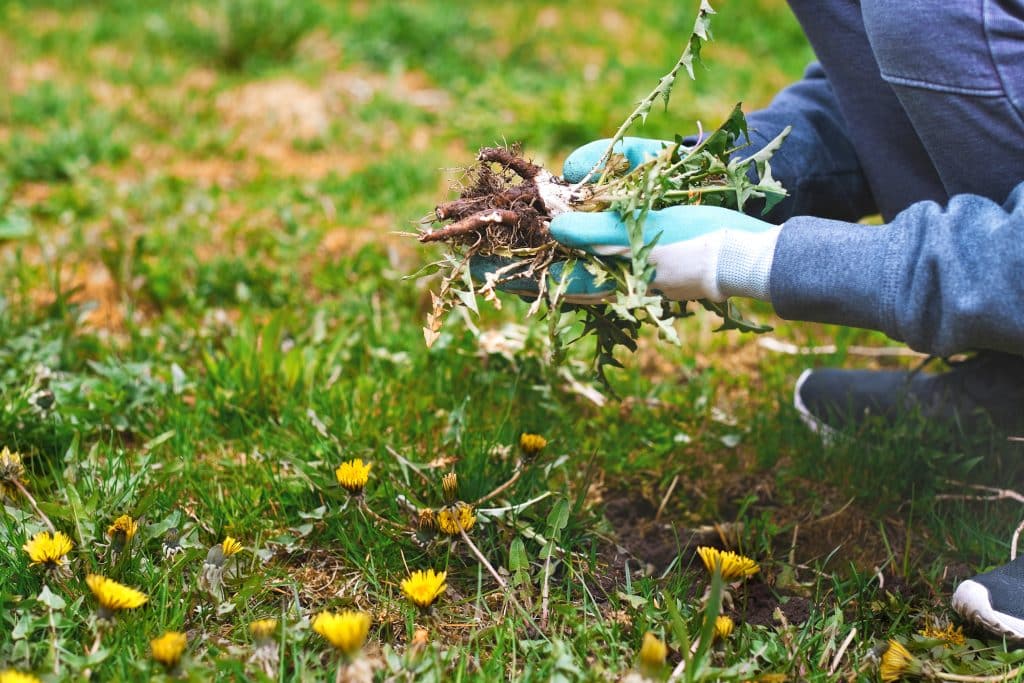
Weed Control for North Richland Hills’ Established Soil
North Richland Hills is a well-established Tarrant County suburb of approximately 71,000 residents, with a median household construction year of 1986, meaning most of the city’s lawns have been through nearly four decades of North Texas growing seasons. The city offers over 800 acres of parkland and 30 miles of hike and bike trails, anchored by the Iron Horse Golf Course and the walkable Hometown district. With a homeownership rate around 63.5 percent and median home values near $325,000 to $360,000, North Richland Hills represents a stable, middle-income community where lawns are typically owner-maintained for years rather than turned over through frequent resale or rental transitions.
Soil that has been in place since the mid-1980s in North Richland Hills carries weed seed banks built up over nearly four decades of varying maintenance histories. This persistent seed bank generates reliable germination each spring and fall regardless of how thoroughly prior-season visible weeds were treated. According to Texas A&M AgriLife Extension’s nutsedge management guidance, this type of established seed bank is precisely why consistent annual pre-emergent renewal, not one-time treatment, is what actually reduces weed pressure over multiple seasons. Pairing weed control with our fertilization program builds the turf density that reinforces chemical treatment with natural competitive suppression.
Our Weed Control Services in North Richland Hills
Pre-Emergent for Decades-Old Seed Banks
Spring pre-emergent applied before soil temperatures reach 55 degrees Fahrenheit stops crabgrass and summer annuals. Fall applications at the 70-degree threshold stop henbit, chickweed, and annual bluegrass before they establish. For established North Richland Hills lawns, consistent annual renewal is what actually reduces the accumulated seed bank over time. See our guide on the most important pre-emergent window for Fort Worth weed prevention.
Post-Emergent Treatment for the Full Range of North Texas Weeds
North Richland Hills lawns face the complete range of common Tarrant County weeds. Broadleaf weeds respond to selective herbicides. Grassy weeds like crabgrass and dallisgrass require different active ingredients. Nutsedge requires specialized sedge products. We identify every species present before treatment.
Managing Established Perennial Weeds
Perennial weeds including dallisgrass and nutsedge that have been established in North Richland Hills soil for years require sustained, multi-cycle treatment rather than a single application. We build programs around the specific weed history of each property.
Year-Round Program Coverage
Our complete program covers both seasonal weed cycles through pre-emergent applications in late winter and fall, combined with post-emergent treatment throughout the growing season.
Common Weeds We Treat in North Richland Hills
- Crabgrass (Digitaria spp.) – summer annual, germinates April through June
- Dallisgrass (Paspalum dilatatum) – perennial, established in long-standing lawns
- Nutsedge (Cyperus spp.) – summer perennial sedge, underground tuber system
- Dandelion (Taraxacum officinale) – perennial broadleaf, deep tap root
- Henbit and Chickweed – cool-season annuals active through winter and spring
- Annual Bluegrass (Poa annua) – cool-season annual, light green clumps in dormant Bermuda
Our Weed Control Process in North Richland Hills
- Full property inspection and weed species identification on arrival
- Assessment of turf density and soil conditions supporting weed growth
- Seasonal treatment selection based on identified species and timing
- Pre-emergent or targeted post-emergent application as appropriate
- Multi-cycle planning for established perennial weeds
- Post-treatment mowing and watering guidance provided
- Follow-up assessment at the next scheduled visit
Why North Richland Hills Homeowners Choose Mow & Grow
| What We Offer | What It Means for You |
|---|---|
| Serving Fort Worth and Surrounding Communities Since 2024 | Local experience built around North Texas soil, climate, and warm-season grasses in North Richland Hills |
| Verified Customer Reviews: Read our Google reviews | Real feedback from homeowners across the DFW metro area before you decide |
| Accountability-First Company Culture | Our team holds itself to a no-excuses standard, taking full responsibility for quality on every visit |
| Customer Intent Before Convenience | Every decision is guided by what serves your lawn best, not what is easiest for our crew |
| One Provider for Every Core Lawn Service | Mowing, maintenance, fertilization, and weed control coordinated under a single team and schedule |
| Experienced, Knowledgeable Crews | Professionals passionate about lawn care who understand North Texas turf conditions |
| Service Across Fort Worth and 24 Surrounding Cities | One trusted provider wherever you live in the DFW metro area |
Frequently Asked Questions
What weeds are most common in North Richland Hills, TX?
North Richland Hills and surrounding North Texas communities face dual-season weed pressure. Summer weeds include crabgrass, nutsedge, dallisgrass, and spurge. Cool-season weeds active through fall and winter include henbit, chickweed, clover, dandelion, and annual bluegrass. Effective control requires addressing both seasonal cycles through pre-emergent prevention and targeted post-emergent treatment throughout the year.
When should pre-emergent weed control be applied in North Richland Hills?
Spring pre-emergent in North Richland Hills must go down before soil temperatures reach 55 degrees Fahrenheit, typically late February to early March. Fall pre-emergent for cool-season weeds is applied when soil temperatures drop to approximately 70 degrees Fahrenheit, usually in September to October. Soil temperature drives timing more reliably than calendar date in North Texas’s variable climate.
Why does nutsedge keep coming back in North Richland Hills lawns?
Nutsedge reproduces primarily through underground tubers rather than seeds. Standard broadleaf herbicides have no effect on it because it is a sedge, not a grass or broadleaf plant. According to Texas A&M AgriLife Extension, a single tuber can produce close to 2,000 new plants in one growing season. Effective control requires sedge-specific herbicide applied over multiple treatments during active summer growth.
How does professional weed control work in North Richland Hills?
Professional programs combine pre-emergent herbicide that creates a soil barrier stopping weed seeds from germinating and post-emergent herbicide that targets weeds already established. Each approach requires different products and timing. Pre-emergent prevents annual weeds during key germination windows. Post-emergent addresses breakthrough weeds and perennial species that grow from roots or tubers rather than seeds.
Will store-bought weed killer solve my problem in North Richland Hills?
Retail broadleaf products work on some common weeds like dandelion and clover when applied correctly. They are ineffective on nutsedge and dallisgrass, which require specialized active ingredients not typically available in home improvement stores. In North Richland Hills, the combination of multiple weed species in the same lawn often means a single retail product addresses only part of the problem while the most stubborn weeds continue spreading.
Is weed control safe for children and pets in North Richland Hills?
EPA-registered herbicides applied at label-specified rates by trained professionals are safe for normal use by children and pets once treated areas have dried, typically 2 to 4 hours after application. Mow & Grow provides clear aftercare guidance after every weed control visit so families know exactly when to resume normal lawn use.
Does weed control damage grass in North Richland Hills?
Selective herbicides target specific weed categories while leaving Bermuda, St. Augustine, and Zoysia unaffected when applied at correct rates and timing. Risk increases if products are misapplied, used during heat or drought stress, or applied at excessive rates. Correct product selection for the specific grass type on each North Richland Hills property is part of every treatment decision.
How long until I see weed control results in North Richland Hills?
Broadleaf weeds begin yellowing within 3 to 7 days and fully decline within 10 to 14 days. Grassy weeds like crabgrass take 10 to 21 days. Nutsedge is slowest, typically requiring 14 to 21 days per treatment with multiple rounds needed for complete tuber bank control. Pre-emergent results are not visible the same way since the goal is preventing germination rather than killing visible plants.
What makes dallisgrass so hard to eliminate in North Richland Hills lawns?
Dallisgrass is a perennial that regenerates from deep root systems rather than annual seed germination. It is also relatively insensitive to many standard selective herbicides. Targeted spot treatment with appropriate products during active growth, repeated over multiple visits spaced several weeks apart, is the standard approach for North Richland Hills properties with established dallisgrass clumps.
What does a Mow & Grow weed control visit include in North Richland Hills?
Each visit includes lawn inspection and weed species identification, selection of the correct pre-emergent or post-emergent treatment for current conditions, application to all affected lawn and edge zones, and aftercare guidance on mowing and watering timing to maximize treatment effectiveness. Treatment selection is adjusted at each visit based on what weed pressure is actively present.
Do you treat weeds in driveway cracks and edges in North Richland Hills?
Yes. Weeds along driveway expansion joints, sidewalk cracks, and hardscaping borders are addressed as part of a complete property treatment. These edge zones are where new weed pressure frequently first establishes before spreading into the open lawn, particularly in communities with extensive decorative hardscaping where weeds can colonize gap areas.
How often does weed control need to occur in North Richland Hills?
Most North Richland Hills lawns need 6 to 8 weed control treatments per year to maintain consistent protection across both weed seasons. This typically includes 2 to 3 pre-emergent applications timed to soil temperature windows and 4 to 5 post-emergent or spot treatment visits targeting breakthrough weeds and perennial species through the growing season.
Why do weeds return to North Richland Hills lawns every year even after treatment?
Annual weed seeds remain viable in soil for multiple years, creating a persistent seed bank that germinates reliably each season. Wind, birds, and lawn equipment continuously deposit new seeds. Perennial weeds like nutsedge and dallisgrass return from established underground structures. Annual pre-emergent renewal is what keeps this ongoing pressure from establishing visible coverage.
Does mowing height affect weed pressure in North Richland Hills?
Yes. Correct mowing height for Bermuda between 1.5 and 2.5 inches maintains the canopy that shades soil and limits sunlight reaching weed seeds. Mowing too short removes this shading effect and stresses the grass, creating the thin open conditions weeds exploit. Consistent mowing at the correct height is one of the most effective and lowest-cost weed suppression tools available.
What is the difference between pre-emergent and post-emergent treatment?
Pre-emergent creates a chemical barrier in soil that stops weed seeds from sprouting. It must be applied before germination and works on annual weeds that grow from seed. Post-emergent targets weeds already established, using herbicide absorbed through leaves and transported to roots. Both are necessary because pre-emergent provides seasonal prevention while post-emergent addresses breakthrough weeds and perennials that grow from existing roots and tubers.
How do water restrictions affect weed control timing in North Richland Hills?
Pre-emergent products need light watering within 24 hours of application to activate properly in the soil. Mow & Grow coordinates treatment timing with each customer’s assigned irrigation days under current Fort Worth Water conservation guidelines so pre-emergent products activate correctly without requiring irrigation outside permitted hours.
Why does weed control fail on thin or patchy North Richland Hills lawns?
Chemical weed treatment eliminates active weeds but does not fill the bare soil gaps that allow new weeds to establish. A thin or patchy lawn that receives weed control without also receiving fertilization to rebuild turf density will cycle through temporary improvement followed by rapid weed return as seeds germinate in the open soil that the sparse turf cannot shade out.
Can weed control help with HOA compliance in North Richland Hills?
Yes. Visible weeds along lawn edges, in thinning patches, or in hardscaping gaps are a common source of HOA appearance notices even on lawns that are regularly mowed. Consistent pre-emergent and post-emergent treatment keeps properties visually clean before weeds become noticeable from the street, eliminating the compliance cycle that reactive-only spraying creates.
What happens if I miss the spring pre-emergent window in North Richland Hills?
Missing the late February to early March window means the soil barrier is not in place when crabgrass begins germinating. The response shifts to post-emergent treatment on plants that have already established. Post-emergent control works best on young crabgrass with two to four leaves; mature established plants are considerably harder to eliminate.
Does a thicker North Richland Hills lawn prevent weeds better than herbicide alone?
Yes. Dense turf shades soil and limits sunlight weed seeds need to germinate. A North Richland Hills lawn with strong coverage naturally resists new weed establishment far better than a thin or patchy lawn regardless of herbicide application. Fertilization and weed control are most effective as a combined program since fertilizer builds the competitive density that chemical treatment reinforces.
What cool-season weeds should North Richland Hills homeowners expect each winter?
Henbit, chickweed, clover, dandelion, and annual bluegrass are the most common cool-season weeds in North Richland Hills. These germinate in fall after Bermuda enters dormancy, grow through winter when the lawn provides no competitive pressure, and set seed in spring before dying as temperatures rise. Fall pre-emergent in September to October is the most effective control strategy.
Does Mow & Grow offer year-round weed control programs in North Richland Hills?
Yes. The full year-round program covers both seasonal weed cycles through pre-emergent applications in late winter and fall, combined with post-emergent treatments throughout the growing season as breakthrough weeds or perennial species require attention. Year-round enrollment ensures no treatment window is missed.
Why is summer weed control harder in North Richland Hills’s heat?
Post-emergent herbicide effectiveness decreases when temperatures exceed 90 to 95 degrees Fahrenheit because the heat reduces plant metabolic activity, slowing absorption and translocation. Heat-stressed turf is also more sensitive to herbicide exposure. Mow & Grow adjusts treatment timing and product rates to account for these conditions during North Richland Hills’s hottest summer months.
Can I switch to Mow & Grow from another weed control provider in North Richland Hills?
Yes. We assess current weed pressure and treatment history before building a program, and switching mid-season is straightforward. Many North Richland Hills homeowners switch when a previous provider was not effectively addressing nutsedge or dallisgrass, which require specialized products that not all lawn care companies apply correctly.
How do I start a weed control program in North Richland Hills with Mow & Grow?
Call (817) 717-2686 or submit a free quote request online at mowandgrow.com with your North Richland Hills property address. Our team assesses current weed pressure, grass type, and seasonal timing before recommending a program. First treatments can typically be scheduled promptly with complete aftercare instructions provided after every visit.
Areas Near North Richland Hills We Also Serve
Mow & Grow serves homeowners throughout the Fort Worth metro. If you live near North Richland Hills, we likely serve your neighborhood too:
- North Richland Hills Lawn Care Hub
- Richland Hills Lawn Care
- Watauga Lawn Care
- Haltom City Lawn Care
- Keller Lawn Care
- Colleyville Lawn Care
- Grapevine Lawn Care
- Fort Worth Lawn Care
Get Professional Weed Control in North Richland Hills Today
Decades of accumulated weed pressure in North Richland Hills’ established soil requires consistent, structured weed control rather than reactive spraying. Call (817) 717-2686 or schedule your service online to protect your North Richland Hills lawn today.