

What Repeated Mulching Near Turf Edges Does to Weed Expansion
Mulch plays an important role in landscaping. It protects plant roots, improves moisture retention, and enhances visual appeal. Many homeowners apply fresh mulch around flower beds, trees, and borders every season. While mulch offers many benefits, repeated mulching near turf edges can quietly create serious weed problems.
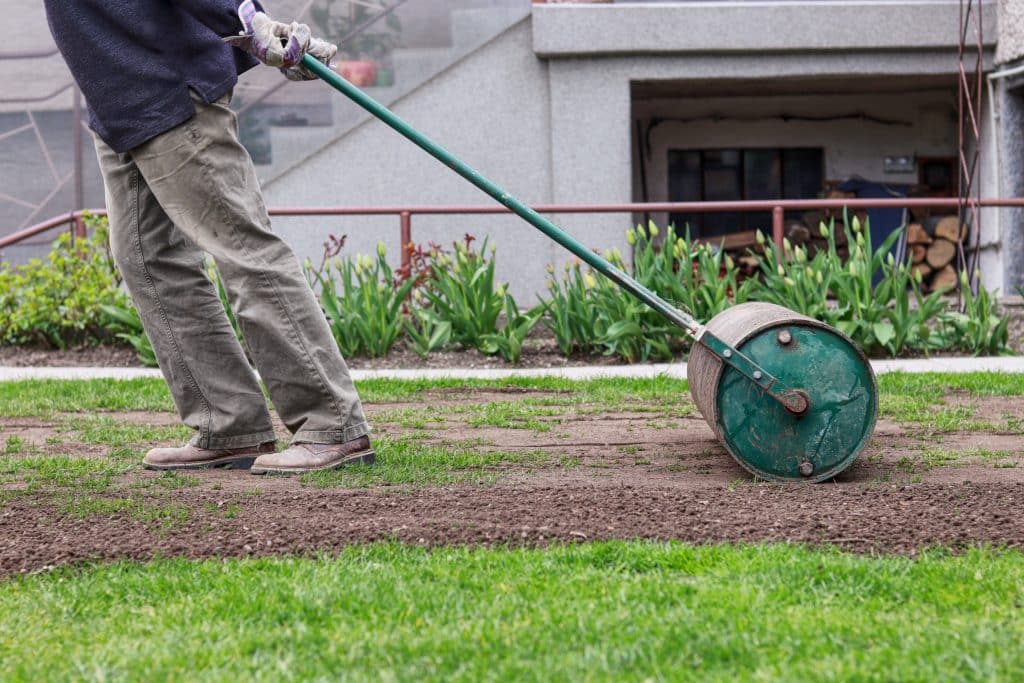
Over time, thick layers of mulch placed next to grass change soil conditions, trap moisture, and create ideal environments for weed growth. These areas often become starting points for weed invasions that spread into healthy turf. Homeowners in Fort Worth and surrounding areas frequently notice weeds appearing first along borders where mulch meets grass.
Understanding how mulch affects soil, moisture, and plant competition helps prevent weed expansion and protects lawn health.
How Mulch Builds Up Along Lawn Edges Over Time
Many homeowners add new mulch without removing old layers. Each season adds another inch or two. Over years, mulch piles up into thick ridges.
This buildup changes the shape of landscape borders. Soil level rises. Turf edges become buried. Grass roots struggle to breathe.
Thick mulch also compresses under its own weight. Airflow decreases. Moisture stays trapped. These conditions encourage weed germination.
Common signs of mulch buildup include:
- Raised borders along beds
- Buried grass edges
- Dark, damp soil
- Mushy mulch texture
These zones rarely dry out fully, which attracts unwanted growth.
Why Mulch Creates Ideal Conditions for Weeds
Mulch holds moisture. It blocks sunlight. It moderates temperature. These features benefit garden plants but also support weeds.
Weed seeds blow into mulch beds from nearby areas. Birds drop seeds. Wind carries debris. Lawn equipment spreads material. Once seeds land in moist mulch, they receive protection from heat and cold. They sprout easily.
Mulch also breaks down into organic matter. This process adds nutrients to the soil surface. Weeds feed on these nutrients and grow aggressively. Without maintenance, mulch beds turn into weed nurseries.
How Edge Zones Become Weed Launch Points
The area where mulch meets turf serves as a transition zone. This space often receives less attention than open lawn or garden beds. Grass rarely grows thick at borders. Trimming equipment disturbs soil. Foot traffic compacts edges. Water runoff collects here.
Repeated mulching worsens these weaknesses. Weeds establish in mulch. Roots spread outward. Seeds fall into nearby grass.
Over time, weeds move from borders into lawns through:
- Root spread
- Seed dispersal
- Soil movement
- Water flow
Once established, removal becomes difficult.
How Thick Mulch Affects Grass Health Along Borders
Grass near heavy mulch suffers from several stress factors. Buried crowns restrict airflow. Moisture remains trapped against blades. Fungal problems develop. Roots weaken.
Soil beneath mulch often becomes compacted. Grass roots cannot penetrate effectively. Nutrient absorption decreases. Shaded areas near beds also reduce photosynthesis. Grass thins. Bare spots appear.
Weak turf cannot compete with weeds. Border areas slowly lose density and invite invasion.
Why Seasonal Mulching Patterns Increase Weed Pressure
Many homeowners mulch during spring and fall. These seasons also match major weed germination periods.
Fresh mulch provides warm, moist surfaces at the exact time seeds activate. Spring weeds thrive in these conditions. Fall weeds take advantage as well.
Each mulching cycle refreshes the growing environment. Without weed barriers, cycles repeat year after year.
Weather patterns in Fort Worth increase this effect. Warm falls and wet springs accelerate growth. Seasonal timing matters more than most homeowners realize.
How Mulch Depth Influences Weed Growth
Proper mulch depth ranges between two and three inches. Many homeowners exceed this range.
Thick mulch layers:
- Retain excess moisture
- Reduce oxygen flow
- Promote decay
- Encourage fungal growth
- Support weed roots
Weeds grow easily through deep mulch. Roots anchor firmly. Removal becomes difficult. Thin mulch dries quickly and limits germination. Balanced depth protects without encouraging weeds. Monitoring depth prevents many problems.
How Improper Mulching Affects Soil Balance
Mulch decomposes over time. This process changes soil chemistry near borders. Decaying mulch releases acids and nutrients. Soil pH may shift. Nutrient levels increase near edges.
These changes favor certain weed species. Some weeds thrive in acidic conditions. Others prefer nutrient-rich soil. Grass struggles to adapt quickly. Weeds move in first. Unmanaged decomposition creates uneven soil zones that promote weed dominance.
How Professional Lawn Care Manages Mulch and Turf Borders
Professional lawn services understand the connection between mulch and weed growth.
They manage edges through:
- Proper depth control
- Seasonal removal of excess mulch
- Defined edging
- Pre-emergent treatments
- Turf strengthening programs
Crews prevent mulch from smothering grass. They maintain clean borders. They monitor soil conditions. Integrated care prevents weeds from gaining footholds.
How Homeowners Can Reduce Weed Expansion From Mulch Areas
Homeowners can protect lawns with simple habits.
Helpful steps include:
- Remove old mulch before reapplying
- Maintain two to three inch depth
- Keep mulch away from grass crowns
- Edge borders regularly
- Repair thin turf quickly
- Monitor moisture levels
Consistent attention stops small problems from growing. Professional support enhances these efforts.
Why Border Maintenance Matters for Long-Term Lawn Health
Many weed problems begin at edges. Ignoring these areas allows invasion to spread. Strong borders protect turf. Clean transitions limit seed movement. Healthy grass blocks weed roots.
Regular border maintenance preserves lawn structure and appearance. Long-term success depends on managing these vulnerable zones properly.
Frequently Asked Questions About Mulching and Weed Growth in Fort Worth, TX
Can mulch cause weeds to spread into lawns?
Yes. Thick mulch near turf edges creates ideal conditions for weed germination and expansion.
How often should old mulch be removed?
Homeowners should remove excess mulch before adding new layers each season.
Does mulch attract weed seeds?
Wind, birds, and equipment deposit weed seeds into mulch beds regularly.
What mulch depth works best?
Two to three inches provides protection without encouraging weed growth.
Can professional services manage mulch-related weed issues?
Yes. Professional programs balance mulch depth, edging, and weed prevention.
Protect your lawn from hidden weed invasions with expert care from Mow & Grow. Call (817) 717-2686 today for professional weed control and lawn maintenance services.